Angkor wat temple
that built by King Suryawarman II in the early 12th century as state
temple and was dedicated to Vishnu. The temple was carefully planned and built
following the Hinduism yantra shape, formulation and calculation on numbers;
based on the east-west direction of worshiping method.

About the image above: vandalism at Angkor has started
since very early years at 1881

About the image above: writing on the statue is not good idea

About the image above: this is on the entrance lion body

About the image above: it is Sobini; look like a name of someone

About the image above: it shows Kuc N-L and something

About image above: it shows VGHIA, Sthok, Da...

About the image above: it is mark of CA 1960

About the image above: GSI or 65

About the image above: it shows NHK or NHEK

About the image above: some writing in local alphabets

About the image above: Exsell

About the image above: PHIEM EM MAI
and some local writing on the pillar

About the image above: 1932 (what is this)

About the image above: PHA 1988

About the image above: it shows MAO

About the image above: G.Lo with some South Indian writing and K.SELANGOR
(Selangor is one state in Malaysia)

About image above: shows graffiti draw on with charcoal

About the image above: scratches on the wall and some writing

About the image above: M E HPNR

About the image above: shows 1838

About the image above: shows some sketches and writing

About the image above: shows some sketches
and far east asia alphabets

About the image above: full of writing
and some pretty new 2014.6.20
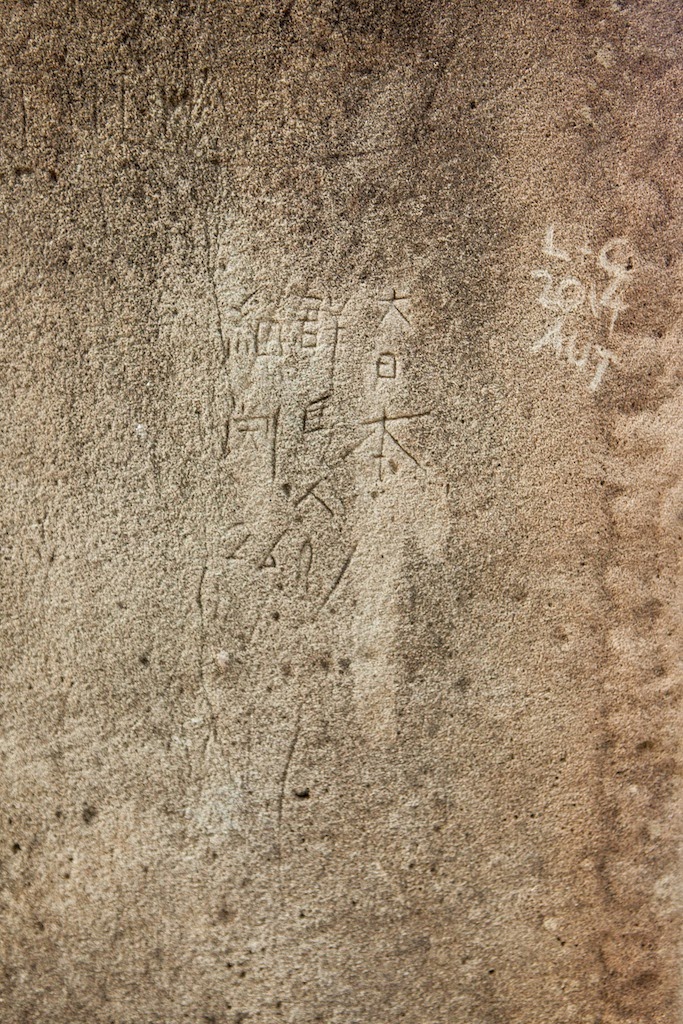
About the image above: some writing in far east alphabet
and L-Q 2014 AUT

About the image above: Polun un mele in g le 1890

About the image above: blue colouring of the artwork

About the image above: deep scratch on the pillar,
no idea what is this

About the image above: Kwak Jun Seok

About the image above: far east and local alphabet

About the image above: SID 2001

About the image above: some regional writing..!

About the image above: left hand mark

About the image above: OUM THAN

About the image above: some far east writing
and KHEM SAKAY

About the image above: VMBN V KHI MT BI and local writing

About the image above: far east writing

About the image above: ngo (vietnamese)

About the image above: graffiti and writing

About the image above: dirty with hand writing

About the image above: local writing

About the image above: far east writing

About the image above: far east writing

About the image above: scratch near the carving

About the image above: far east writing

About the image above: local writing and graffiti

About the image above: deep scratch and local writing

About the image above: local writing


About the image above: CLI

About the image above: the writing is not clear

About the image above: blue writing

About the image above: BUN LANC

About the image above: Semy

About the image above: not sure what is this

About the image above: bullet marks on the pillar

About the image above: bullet marks on the pillars

About the image above: NHIAN THACH O9

About the image above: white color marked on the pillar

About the image above: dirty hands writing

About the image above: dirty hands writing

About the image above: local writing

About the image above: local writing

About the image above: colours

About the image above: heart shape with local writing

About the image above: PHI LAM

About the image above: large bullet mark on the pillar

About the image aboveL LAYSO

About the image above: graffiti on the pillar

About the image above: red writing

About the image above: dirty wall

About the image above: local writing Reth Keo

About the image above: local writing 'Bopha'

About the image above: wall full of writing

About the image above: SALIN

About the image above: NIEM

About the image above: HAIAU

About the image above: what this people try to say with this 'Run'

About the image above: large red writing

About the image above: Nasib, LOVE, Tea 1001, 2014/7/2
Hebe Love 2012, Mey Herb, Rtf with circle

About the image above: local writing 'Tau' and To

About the image above: Ngoc Du

About the image above: the wall is so dirty with hand writings

About the image above: a pillar full of unnecessary scratches

About the image above: written 'CANADA'
and in the bottom some local writing

About the image above: PHAT

About the image above: far east writing on the pillar

About the image above: another far east writing on the pillar

About the image above: full of far east writing since 1910

About the image above: local writing 'Appippeah' (wedding)

About the image above: GIANG

About the image above: far east writing

About the image above: MAGNIFIQUE 1895
TERRIER LHE GARAT

About the image above: DB'29
(probably 1929) with European carving

About the image above: ALIXANDROFF S-XII '16

About the image above: GERINI 31/12/902 (probably 1902 or 2002)
some local writing 'Chheai' (last corner) 7-4-12 and easter writing

About the image above: MAB

About the image above: SJH, SGH, K, BANJONG

About the image above: MAL, ARRI, MATUM, Rama Rani
BUKA, N. GANGSAN, Frathli, Raja Shohri 3-L

About the image above: SUBRA, SANTHEE, MALAYSIA
Vaalga, SINSENG, ELA (who else?)

About the image above: Sothy, MELAKA, UI, 15.6
Thanti, RinMoon, Russ CBCI 2013, Regan, Pream

About the image above: just so many writing..!

About the image above: RIH LOVE LY HENG CHAHHY

About the image above: the writing is not so clear 9dated 20.02.81)

About the image above: eastern writing

About the image above: eastern writing

About the image above: this is probably the most impressive one.
Has so much time in the temple wrote for his entire family.
Father-Mother name, and all of his siblings.
And also he wrote that this family is the warrior family

About the image above: red eastern writing


About the image above: writing from 1905
The temple
located in the Yasodharapura which today’s Angkor city. The Angkor Wat meaning City of Temples which
is many buildings inside a large complex of outer wall with large pond around.
After the death
of King Suryawarman II then king Jayawarma VII was in the throne in the late 13th
centuries. He restored the temple and replace some of the statue to large
Buddha statue since he change the state religion into Buddhist.
The end of the
Angkor period probably when the Ayutthaya invaders looted Angkor and probably
also vandalized the temple.
Visitors of Angkor vandalized the temple
Since the temple
has been open for visitors; they started vandalized the temple. To loot the
temple by Ayutthaya was the act of vandalism. To scratch, write, or take
something from the temple is also consider vandalism.
The word vandal
is a behavior that Roman described as destruction or ruthless behaviors to
spoil of anything beautiful. Add or take out something that has to be there
earlier to support the beauty.
The motive of
vandalism at the temple of Angkor probably varies:
- Crime: to take part of the Angkor or pocketing something from the temple or destroy some part of the building, statue and art works.
- Political: loot the temple or destroying the some part of the temple
- Art: drawing something artistic on the temple wall or statue
- Remembrance: write name or family, groups, countries, timing, etc.
- War: Angkor Wat was so vulnerable during the wars either in the ancient war (with other kingdom) or modern war with many bullet marks on the temple wall, pillar and surroundings
- Religion: changed the state religion was also cause of the change of the original function of the temple. Dismantle the original statues and change with the statue of the recent believes


